

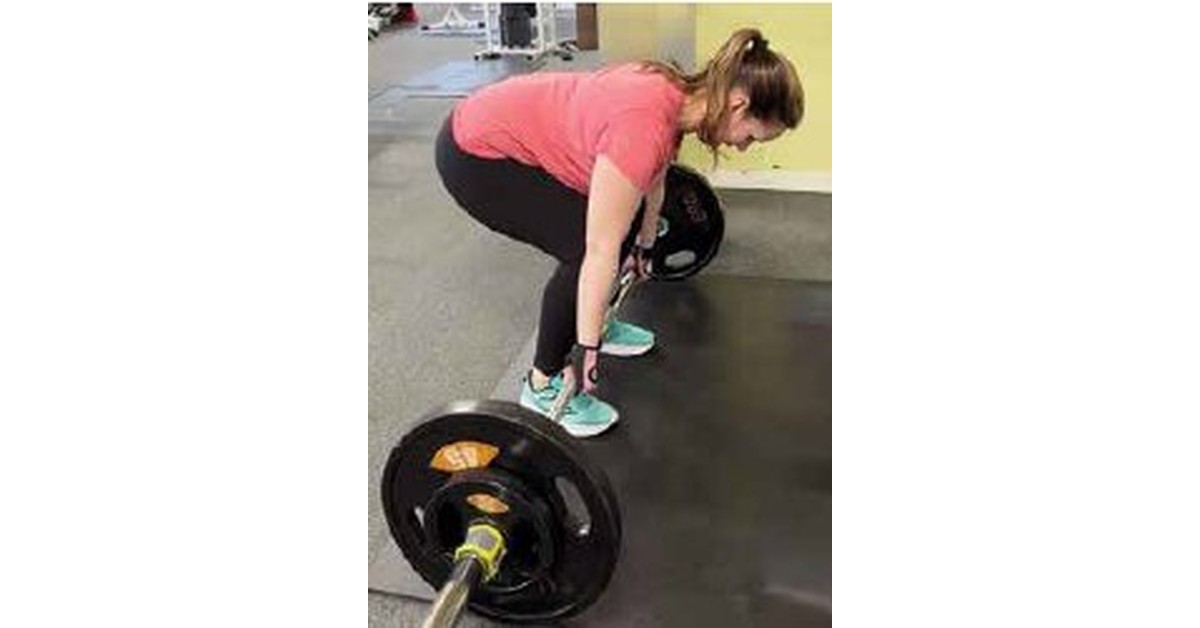
Women in perimenopause and menopause are hearing a lot about the need to “lift heavy” — but what does this really mean, and how should you approach strength training during menopause?
Why Strength Training Matters in Menopause
During the menopause transition, aging and declining estrogen affect muscle mass and strength. Strength training improves muscle strength, bone density, energy, balance, and metabolic, brain, and cardiovascular health. It may also help with some of the troublesome symptoms of menopause.
The buzz about “lifting heavy” raises important awareness about strength training as we age — but it doesn’t tell the whole story.
What Does “Lifting Heavy” Actually Mean?
Choosing heavy weights can be fun and effective, but it is not the only way — and it is not for beginners. “Lifting heavy” usually means choosing a weight you can lift only 1–5 times with good form, at about 80% or more of your one-repetition maximum (the heaviest weight you can lift once).
Lifting that heavy requires a solid foundation of strength training. Your technique needs to be excellent, and your muscles, joints, and connective tissue need time to adapt. For many people, this may take six months or more of consistent training 2–3 times per week using free weights, machines, bands, cables, and/or body weight exercises.
You Don’t Have to Lift Very Heavy to See Results
Research shows that you do not have to lift very heavy weights to build strength and muscle during the menopause transition. You can even start with body weight exercises such as squats, lunges, push-ups, or step-ups. The key is to train with enough effort and intensity to recruit more muscle fibres and stimulate muscle growth.
Key Principles Once You’ve Built Your Foundation
1. Use Challenging Weights
Choose a weight you can lift about 10–15 times (reps) with good form for 2–3 sets. If the weight is too light, you won’t stimulate your neuromuscular system sufficiently; too heavy, and you risk injury.
2. Train “Close to Failure”
Training close to failure means pushing hard to complete your reps — it should feel as though you only have about 1–2 reps left in the tank.
3. Progress Over Time
Progressive overload keeps your muscles adapting. Once you have a solid foundation and good form, aim to progress a little each workout by:
- Increasing the weight
- Adding reps or sets
- Improving technique
- Changing the tempo of your lifts
- Adjusting your program every 4–8 weeks
The Results Are Worth It
Building strength and muscle takes consistency, but the rewards come quickly. Many women notice improvements in energy, confidence, and daily function within weeks.
Start gradually, focus on good technique, and consider working with a certified personal trainer who can guide your progression safely and help you build confidence with strength training.
Brenda Kent is a personal trainer and menopause specialist in the Cowichan Valley. http://www.bkstrengthandfitness.ca