

 Meadowscaping can not only help promote biodiversity & land stewardship, but is low maintenance, drought tolerant and cost effective. Late summer and into fall is the time to prepare the site and sow the seeds for early spring blooms & booming biodiversity. Many native seeds require cold stratification for successful germination. This means it is vital that the seeds have a period of cold temperatures and higher relative humidity before they can germinate. It’s safe to say late summer through early fall is the optimal time to sow seed for a successful native wildflower meadow.
Site Prep
There are a couple methods for lawn conversion, most effective is turf removal. Lawn soil is then added, creating a new canvas for the seeds to row. This method will help decrease maintenance required, as all invasive plants have been removed beforehand. The second method is less labour intensive and follows permaculture design methods. This process involves mowing the grass area down low, applying layers of cardboard over the grass, then adding 6+ inches of soil on top of that. Plant Selection My favourite part of meadowscaping is plant selection! Choosing the correct seeds for your site can be so much fun! Important characteristics to note are sun exposure, moisture content, drainage & soil type.
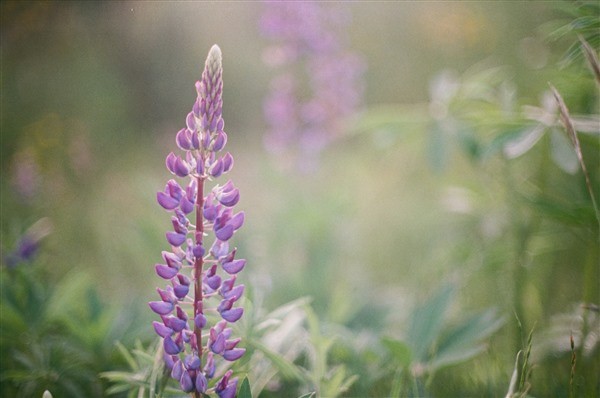
Below I have a list of plants that benefit from full sun and dry conditions with excellent drainage. In the colour palette of whites, purples & pinks with hues of brown & pops of yellow, creating an elegant yet wild meadow. Large leaf Lupine Yarrow Nodding onion California Oatgrass June grass Woolly sunflower Field chickweed Fireweed Pearly-everlasting Adding bulbs like Camas, Fawn lily & chocolate lily add an air of whimsy, while also helping to support and promote the stewardship of Garry Oak Ecosystems. Grasses are also important to have in the meadow. They help flowers grow taller and straighter, provide food for wildlife, habitat for pollinators and are great carbon sequesters. By planting grasses throughout the meadow you are also providing aesthetically cohesive flow through the space.
The Importance of Collecting Seeds.
There are many benefits to collecting seed. It’s important to note that this information is not specific to wildflowers but transfers to the importance of growing your own food as well. By collecting your own seeds,
you are becoming more self sufficient, creating strong genetic biodiversity, and therefore growing strong, productive plants year after year. Saving seed promotes sustainable living and supports future generations to help build sustainable, productive landscapes. Creating a native seed bank can be a very beneficial and a cost effective rewilding tool for communities looking to create more sustainable futures. http://www.meadowwrenflowerfarm.com
Ecologist & conservationist, Kyla strives to make a bigger environmental impact by creating biodiverse & sustainable landscapes.