

The notion of talent is deeply ingrained in us: the idea that some people have innate abilities and thus are able to perform better than the rest of us. Researchers looking into the nature of talent, however, are coming to the conclusion that talent is overrated and that something else is far more important.
What Olympic Records Tell Us
In 1908 the record for running a marathon was 2 hours 55 minutes. Now it’s 2 hours. In 1908, double somersaults were banned from diving as too dangerous — today double somersaults are entry-level achievements and people perform four and a half in competition.
People have not evolved in the last 100 years. What has evolved is our understanding of learning and what makes for effective practice.
Perfect Pitch Is Learnable
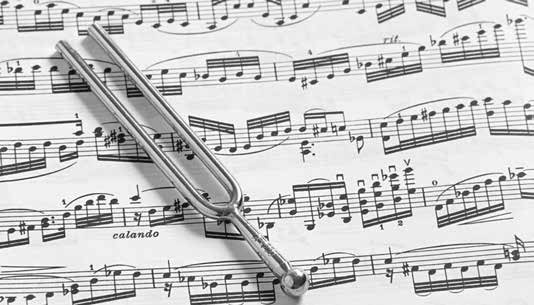
One ability always considered innate is perfect pitch: the ability to identify any musical note just by hearing it. It was estimated that only one in ten thousand people had it — pure genetic luck. Then, in 2014, a Japanese psychologist, Ayako Sakakibara, trained 24 children between two and six years of age for a year and a half, and every single one of them developed perfect pitch.
The Real Secret to Excellence
The people who excel — the athletes, musicians, businesspeople, and scientists — are those who put in the time honing their skills. All skills are acquired through practice. Through effort.
So don’t let the idea of talent dissuade you from learning new things. If you want to play the piano, or learn to play tennis, you can. It will take time and effort — but if you want it, go for it.
Mark Adam is an Embodiment Coach, trained in IFS and Focusing: skillful-life.com
This article originally appeared in the Cowichan Valley Voice Magazine, April 2026 Issue 209.