

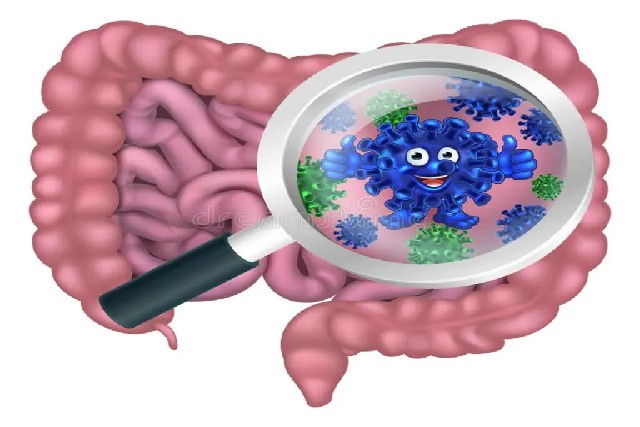
Taking good care of your gut microbes is essential to keep them in beneficial balance, and one way to really nourish them and keep them happy is by feeding them well. Think of these beneficial microbes as the flowers in your garden, while prebiotics, the food we feed them, serve as the fertilizer to enrich the garden soil and help the flowers to thrive.
The beneficial microbes that support great mood, balance the immune system, and nourish our gut lining enjoy and thrive eating plant foods!
The parts of the plant-based foods that are especially beneficial are complex carbohydrates, specifically fibre, as well as special sugars called oligosaccharides. To our microbes, these are a feast! They take these foods and generate anti-inflammatory compounds (short chain fatty acids, or SCFAs) that help prevent colon cancer and support nutrient absorption. SCFAs also circulate our entire body, helping to regulate blood sugar, appetite, mood, and immune system (and thus, allergies and eczema), provide a source of energy, and healing for our gut cells.
Here’s my top list of foods to choose within your weekly menu!
• Onions, garlic, leeks, chives, scallions, shallots, etc.
• Jerusalem artichokes
• Asparagus
• Dandelion greens
• Nectarines, pears
• Raspberries
• Watermelon
• Greener bananas and plantains
• Beans (especially chickpeas), lentils
• Apples with peel
• Whole grain sprouted wheat (if tolerated)
Resistant starches are another category of prebiotic foods that are utilized by your beneficial gut bacteria. Top resistant starches include:
• greener bananas and plantains, raw banana flour
• cooked and cooled beans, peas, lentils, rice, and potatoes
• raw potato starch; and whole grains including gluten
If prebiotics are not a regular part of your diet, it is VERY important to introduce them slowly. As the microbes shift or find themselves with a new abundance of food, they will get extremely happy and eat, eat, eat! And as a result, you may find yourself a bit…gassy. Hopefully not to the point of discomfort, so take it slow. This is normal and will decrease over time.
I recommend aiming for at least 29 g dietary fibre per day, plus 1-2 prebiotic foods per day. This will help your probiotic bacterial community to thrive . when you support your microbes’ growth and vitality, they return the favour in immeasurable ways.
Sageheart Nutrition
Silvia Graber is a Registered Nutritionist and Certified Functional Medicine Practitioner specializing in digestion and mental health.