
If you love flowers, you probably appreciate their symbiotic relationship with bees, flies, wasps, and butterflies. And as an added delight, some flowers also attract hummingbirds.
The upcoming Mill Bay Garden Club Plant Sale features many pollinator plants among the hundreds available. The sale is held at the club’s annual Flower and Garden Show — this year on Saturday June 6, from 9am to 2pm at the Cobble Hill Fairground (3550 Watson Ave, Cobble Hill).
Consider adding these hardy, long-flowering, and deer-resistant perennials to your garden.
Woodland Sage — Salvia nemorosa
Salvia is one of the first perennials to bloom in spring. Its deep purple or pink spikes fill with bees and other insects. It thrives in sunny locations with little care. Cut back the spent flowers and stems, and salvia will rebloom abundantly until fall. Suited to the front of borders or among larger plants — it will seed prolifically but is easy to control.
Bee Balm — Monarda didyma
Monarda is a stately perennial flower whose tall stems sport crowns of multiple tubular flowers that hummingbirds can’t resist. Colours range from soft pink and lavender to striking shades of red, purple, and white. Monarda leaves smell like bergamot — the aroma used in Earl Grey tea. Like other mints, monarda spreads happily, so you will always have clumps to move or give away.
Crocosmia — Montbretia
Though technically an iris, Crocosmia blooms longer, is fully hardy, and forms handsome tall grassy clumps that are a magnet for hummingbirds and bees. Its deep red, orange, or yellow blooms emerge early summer and last until fall. In our mild climate, crocosmia will spread in the garden and beyond — keep it contained by cutting clumps back in fall or spring.
Yarrow — Achillea millefolium
Garden yarrow is an elegant relative of wild Queen Anne’s Lace — terrifically hardy and available in a rainbow of colours from white through all the shades of yellow, apricot, orange, and even rusty red. If you keep them deadheaded, they will bloom to the end of fall. Great for pollinators, especially bees and butterflies, and for hot, sunny spots.
Globe Thistle — Echinops bannaticus
Not really a thistle, Echinops has slightly bristly leaves on tall, tough stems and a proliferation of blue pompom flowers that bees adore. Give it space and good fertile soil, and Echinops will deliver dozens of delightful blooms all summer, year after year.
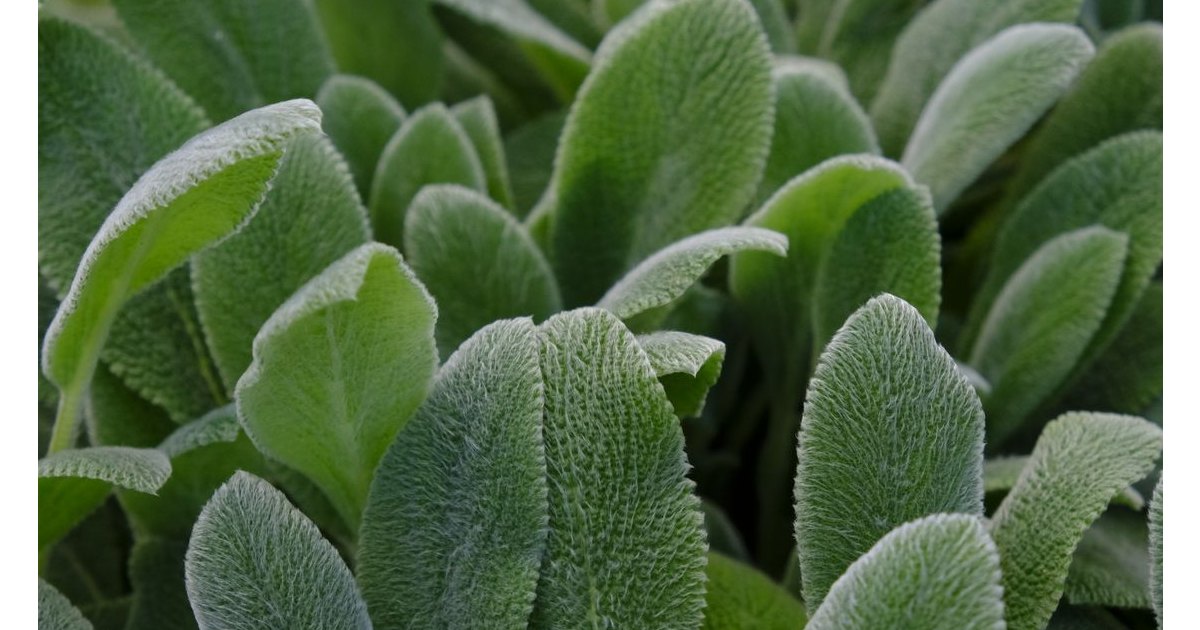
Lamb’s Ears — Stachys byzantina
With its soft, silvery leaves and abundant pink flowers, Stachys is irresistible to people and bees alike. In the waning days of summer, it blooms on, offering a lifesaving way stop for pollinators. Prune back the spent flower stems to encourage new blooms and prevent reseeding. Drought-resistant and thriving in the heat.
Interested in finding out more about gardening? Join the Mill Bay Garden Club. Members meet at 6:30pm on the fourth Tuesday of the month (except July and August) at the Mill Bay Community Hall at the Kerry Park Recreation Centre. See millbaygardenclub.com or join us at the Flower and Garden Show to become a member.
— Mill Bay Garden Club